A beginner's guide to mobile strategy games
Strategy games reward planning, patience and clever decisions. This guide explains the core ideas so you can start your first strategy game feeling confident.
What makes a game a strategy game
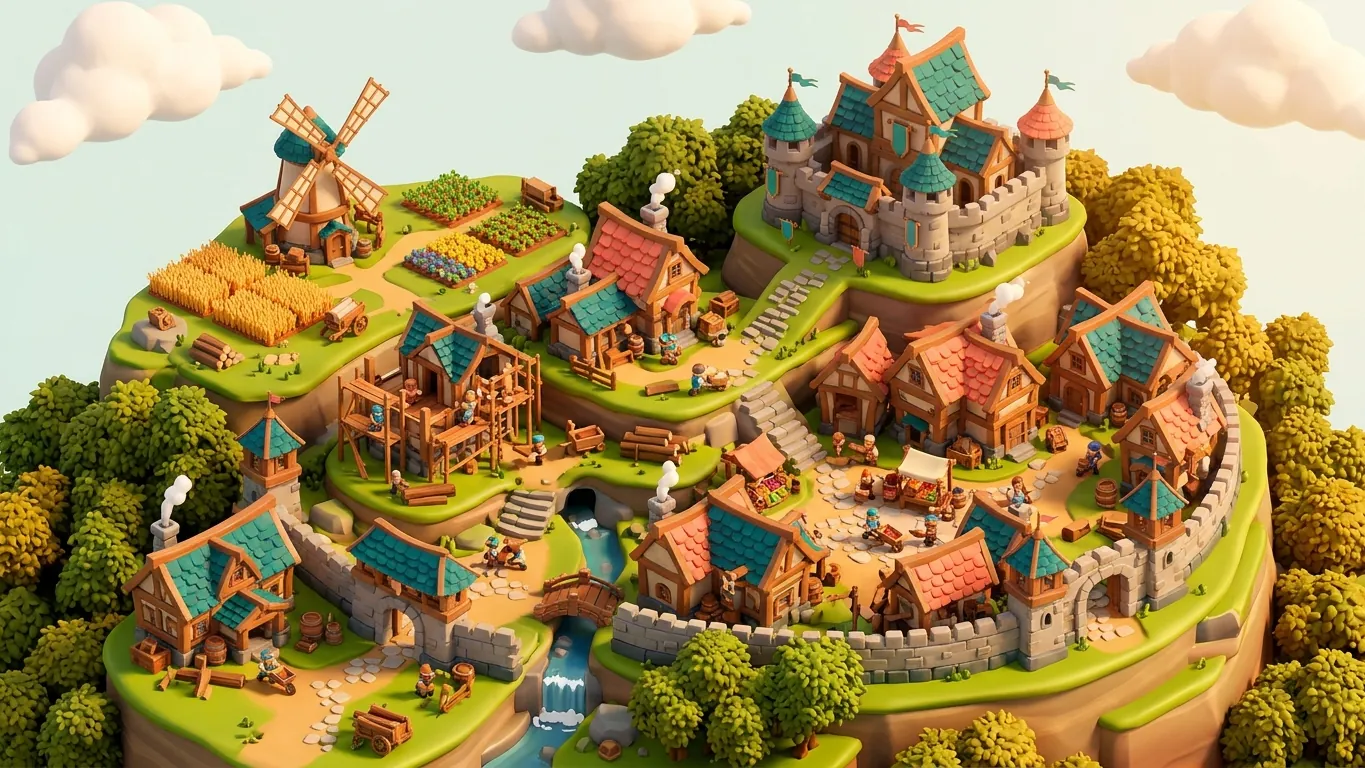
Strategy games focus on decisions. Rather than testing how fast your fingers move, they ask you to think about what to build, where to place things, how to use limited resources and how to respond to challenges. On mobile, the genre includes base-building games, tower defense, turn-based tactics and kingdom or city management.
What ties them together is planning. A good strategy game makes you feel smart when a plan works and gives you room to learn when it does not. That cycle of trying, learning and improving is what keeps many players coming back.
Understanding resources
Almost every strategy game revolves around resources such as wood, stone, food, energy or gold. You gather them, spend them on buildings or units, and use those to gather even more. Learning how resources flow is the foundation of playing well.
A helpful beginner habit is to invest early in things that produce resources. Upgrading a farm or mine may feel less exciting than building defenses, but steady income makes everything else easier later. At the same time, try not to let resources sit unused for long, since many games reward keeping your production busy.
Your first hours, step by step
These steps can help you settle into almost any mobile strategy game.
- 01
Follow the tutorial
Strategy games introduce many systems. The tutorial explains them in a sensible order, so take it slowly.
- 02
Focus on production
Prioritize buildings that generate resources so your town or base can grow steadily.
- 03
Learn one unit type well
Rather than trying everything, get to know a few units or towers and how they work together.
- 04
Plan your upgrades
Think a few steps ahead about what you want to build next and save resources for it.
- 05
Review what happened
After a lost battle or wave, consider what went wrong and adjust your plan for next time.
Timers and patience
Many mobile strategy games use timers for construction or research. A building might take a few minutes or several hours to finish. This design suits phones well, because you can check in briefly, set a few tasks and come back later.
The key is to plan around timers instead of feeling rushed by them. Start longer upgrades before you go to sleep or head to work, and use shorter ones during active play. Some games offer ways to speed up timers, sometimes through purchases, but patience is usually all you need to make steady progress.
Playing with others
Some strategy games include multiplayer features, such as alliances, cooperative events or battles against other players. These can add a social layer and plenty of excitement. If you are new, it is fine to focus on single-player content first and join group activities when you feel ready.
Most importantly, play at your own pace. Strategy games can be as relaxed or as competitive as you want them to be. Enjoy building something of your own, celebrate the plans that work, and treat every setback as a chance to learn something new about the game.
Related articles
 Healthy habits for enjoying mobile games
Friendly ideas for keeping mobile gaming fun and balanced, from regular breaks and comfortable posture to screen time tools and mindful notifications.
Read more
 How to choose a mobile game you will actually enjoy
A friendly guide to choosing mobile games: match genres to your mood, check session length, controls, storage and in-app purchases before you install.
Read more
 Mobile game genres explained
New to mobile gaming? Learn how popular genres like puzzle, strategy, role-playing, racing and idle games work and which one might suit your style.
Read more